
-
Tyres
Light commercial vehicles and utes.
-
Services
Look for the green spanner at your local authorised bridgestone Select Auto Service store.

We can complete your scheduled log book service.
We won’t stop until we’re sure your brakes will stop you.
We'll take care of all your vehicle servicing.
Safety is paramount to everything we do.
With our packaged price servicing, we have all your needs covered.
It's important to maintain your suspension system.
Prolong the life of your tyre investment.
Providing total tyre supply and service for commercial fleet operators of passenger, light truck, truck and bus fleets.
-
Stores
Choose from the nearest stores or search by Suburb or Postcode to find a Bridgestone store.
With over 300 stores across Australia in Bridgestone’s retail network there’s sure to be a Bridgestone store near you.
Find your nearest Bridgestone dealer stocking Ironman 4x4 products.
Check out what our customers are saying about their Bridgestone experiences.
Our stores are as much part of the community as the customers they serve.
When you're weighing up the options of purchasing a franchise, one very important consideration is the power of the brand you're buying into.
-
Offers
Get the 4th tyre FREE or up to $100 cash back on selected car & SUV tyres*.
While stocks last. *Conditions apply.

Helps you to get the most from your investment.
Our expert maintenance and care will maximise the life of your next tyres.
It's never been easier to shop with 0% Interest Payment Plans.
Own it now, pay later.
If you find a lower priced tyre, trust us to beat it. *Conditions apply.

-
Corporate
Our mission, values and commitment to sustainability and innovation define who we are and drive us to be the global leader in technology.
We've done it again, five years in a row for Bridgestone.
The market leading tyre company recognised around the world for its products and services.





Truck & Bus Tyres
Overview
- Tyres
- / Commercial
- / Truck & Bus
- / Overview
The best tyres for your business.
If you’re in the transport business, you want to keep your profits up – without compromising on safety or performance. Which is why you should fit our Bridgestone truck and bus tyres.
Our investment in tyre research and development has helped us build a range of innovative, hi-tech and cost-effective solutions for the many challenges faced by the road transport industry. We have a tyre for every application – whether you’re hauling freight on the highway, moving livestock off road and on, navigating heavy loads through urban areas, or taking passengers around the suburbs or interstate.
For fleet owners, our most recent innovation may produce a saving of hundreds of thousands in fuel costs.
Bridgestone Ecopia low rolling resistance drive and trailer tyres can deliver fuel savings of up to 6%. Testing shows that tyre rolling resistance accounts for up to 33% of fuel consumption.^ And more than 90% of this resistance comes from the drive and trailer tyres. Ecopia tyres also benefit the environment by helping to reduce CO2 emissions.
If longer wear life is your priority, our R168 trailer tyre is for you – delivering up to 37% longer wear life than the competition, with excellent retreadability and resistance to stone retention and drilling.
^Rolling resistance quotients calculated using Secrets of Better Fuel Economy, published by Cummins in 2006.
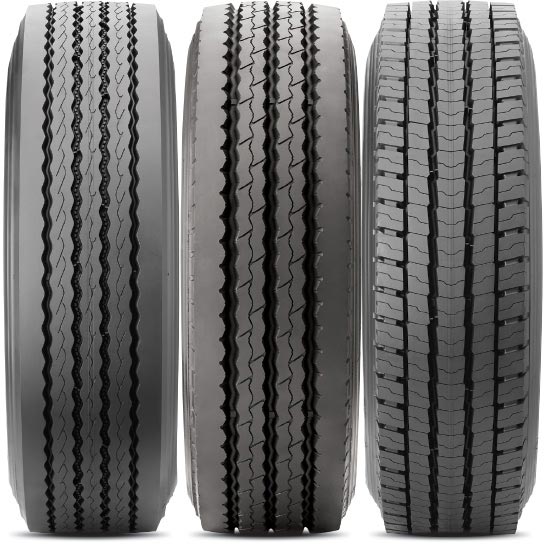
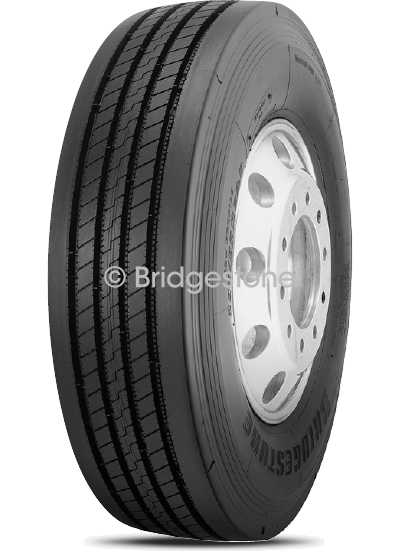
Bridgestone R150
Premium deep tread steer tyre for use in line haul and longer regional applications.
More...
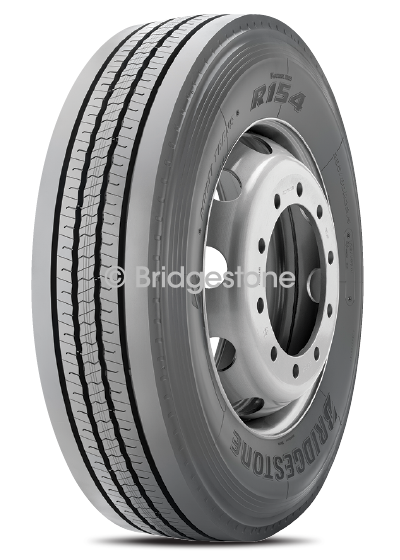
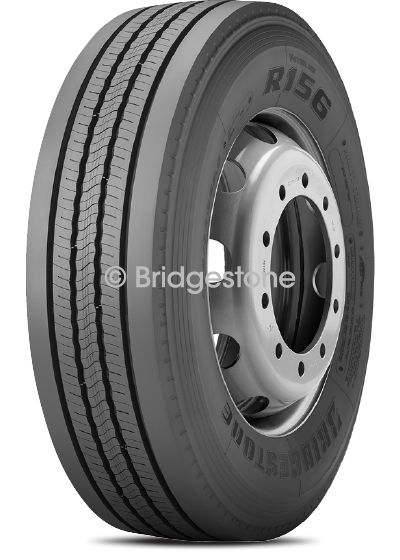
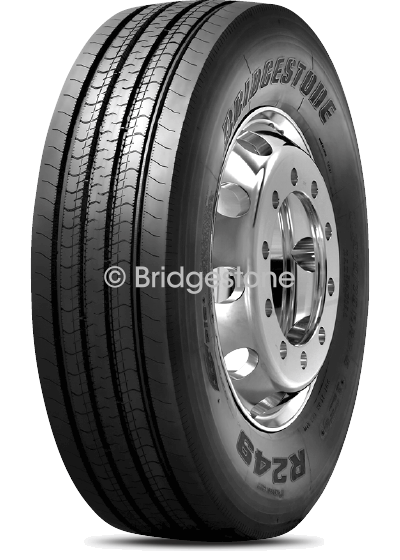
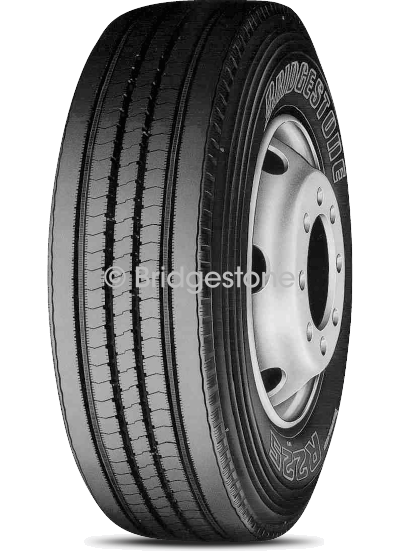
Bridgestone R225
For highway and metro use as a steer tyre on rigid trucks and a trailer tyre on articulated trucks.
More...
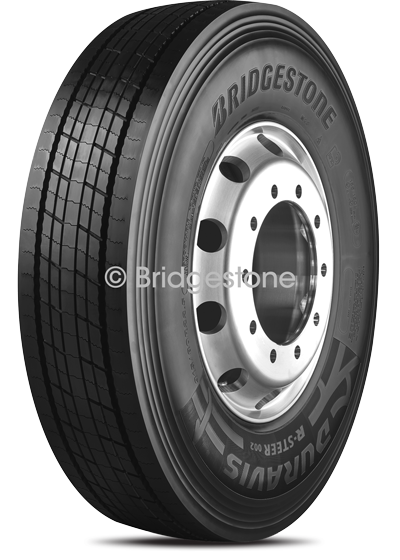
Bridgestone Regional Steer 002
Premium wide base tyre provides strong performance in a broad range of on/off conditions.
More...

Bridgestone Regional Steer 001
Premium wide base tyre provides strong performance in a broad range of on/off conditions.
More...
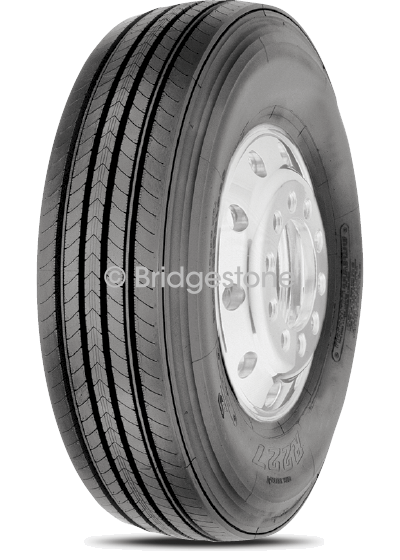
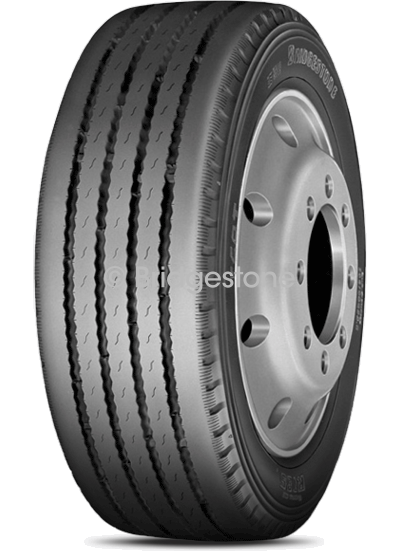
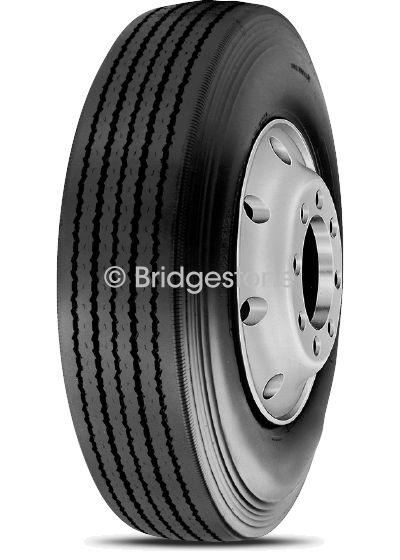
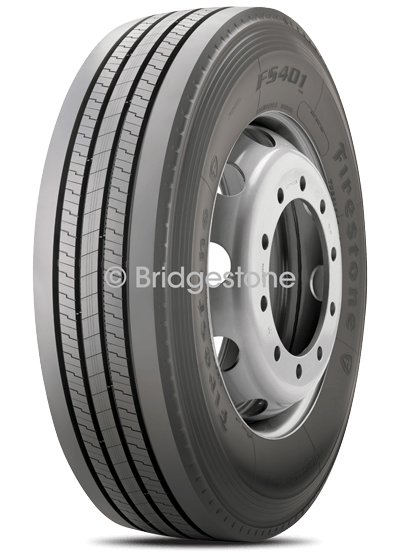
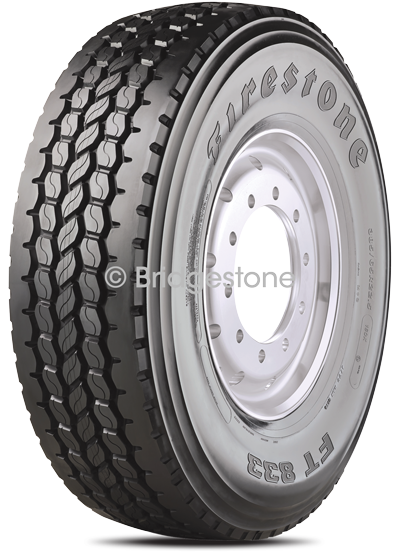
Firestone FT833
Wide base tyre providing strong performance in a broad range of on/off conditions.
More...
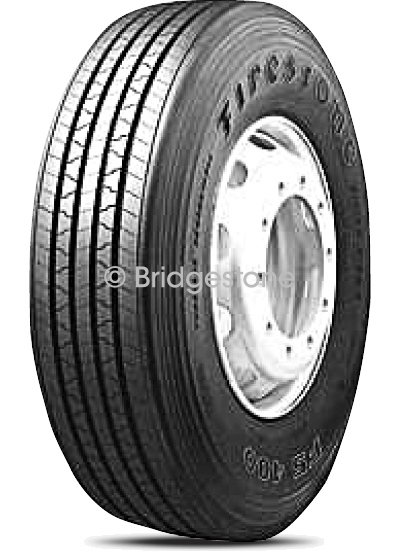
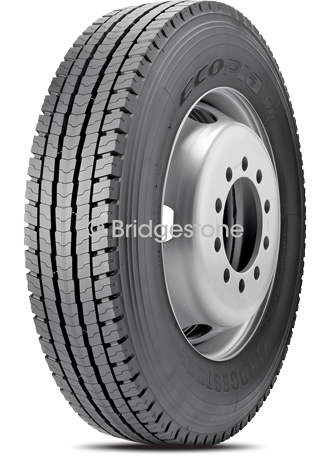
Bridgestone Ecopia M749II
Fuel saving drive tyre for use in line haul and regional haul routes.
More...
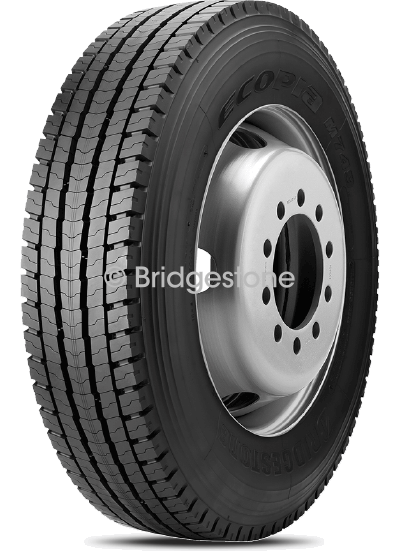
Bridgestone Ecopia M749
Fuel saving drive tyre that doesn''t compromise on durability, irregular wear resistance or traction in the wet.
More...
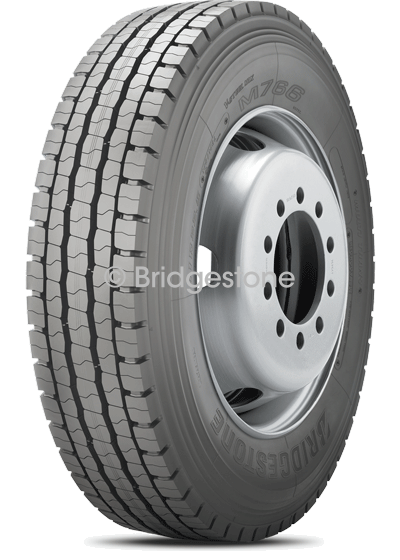
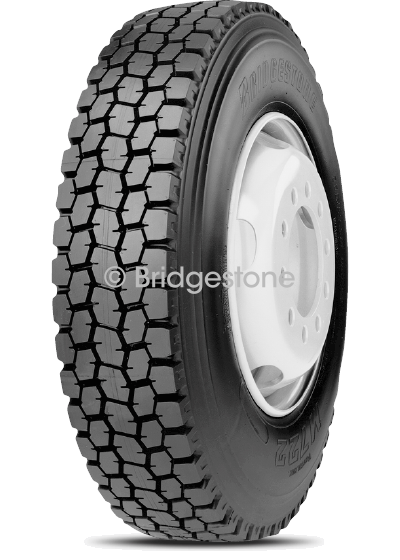
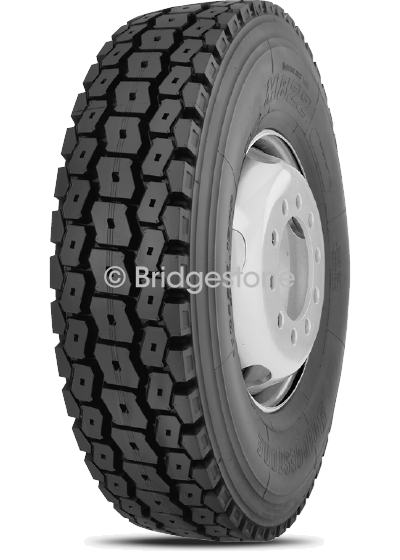
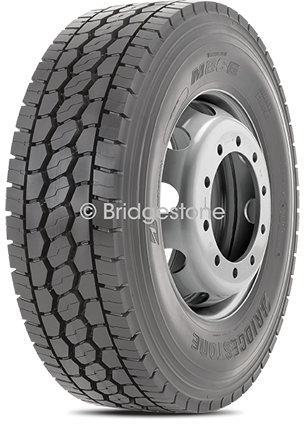
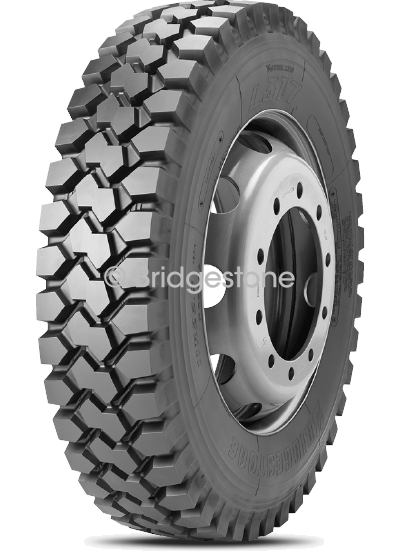
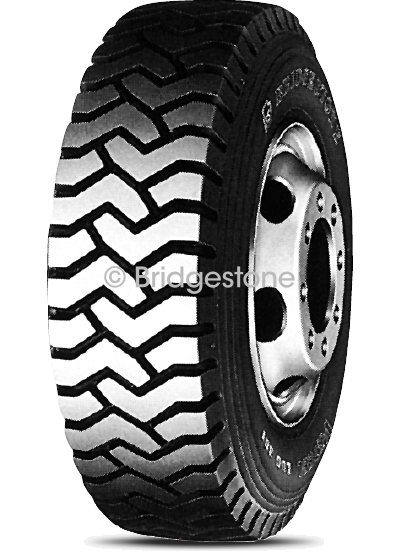
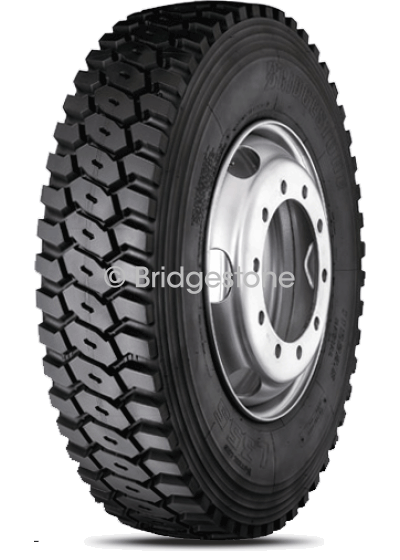
Bridgestone L355
On/off drive tyre with cut resistant compound and deep tread. Aggressive pattern provides exceptional traction.
More...
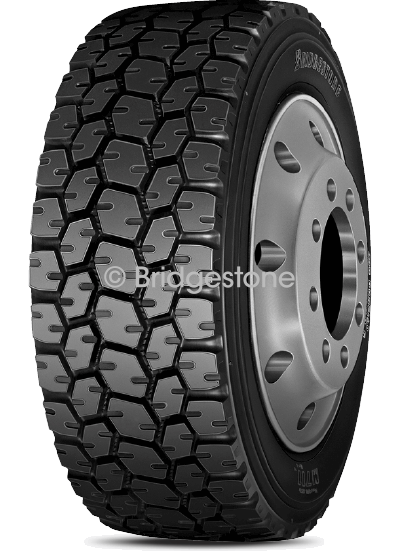
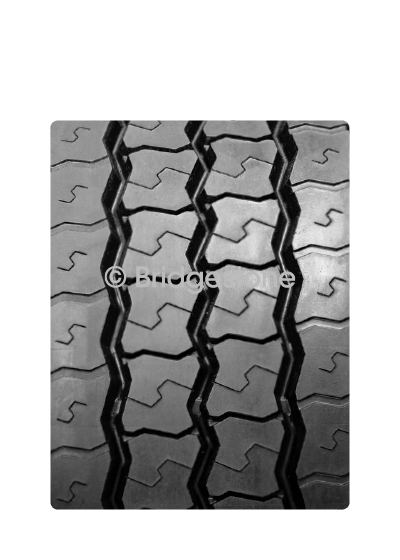
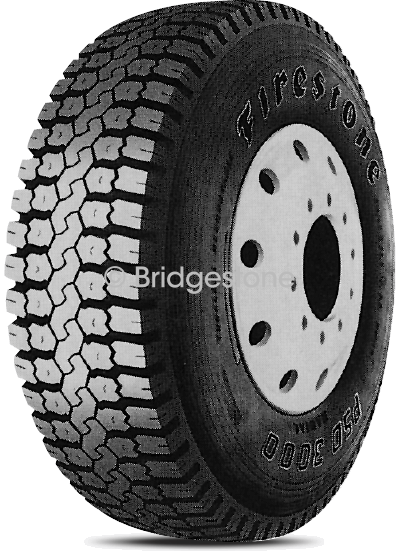
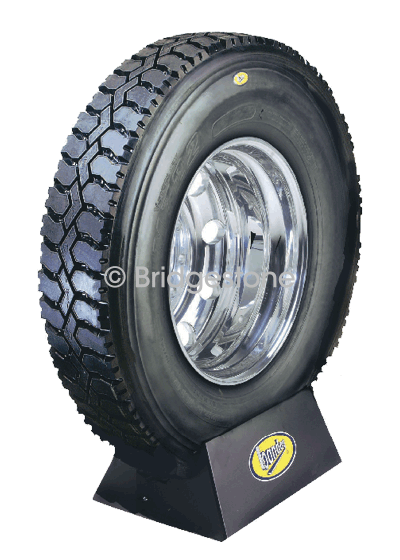
Bandag Cross Bar
Deep sculpted traction design offering excellent mileage and penetration resistance in both on and off-the-road drive axle applications.
More...
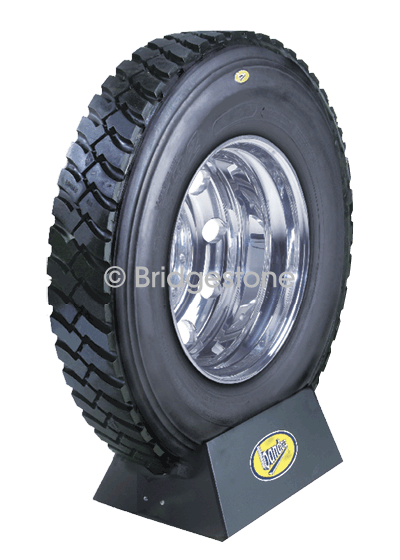
Bandag Lug Logger
An aggressive traction, drive axle tread engineered to provide maximum service under rigorous on-road and off-the-road conditions.
More...
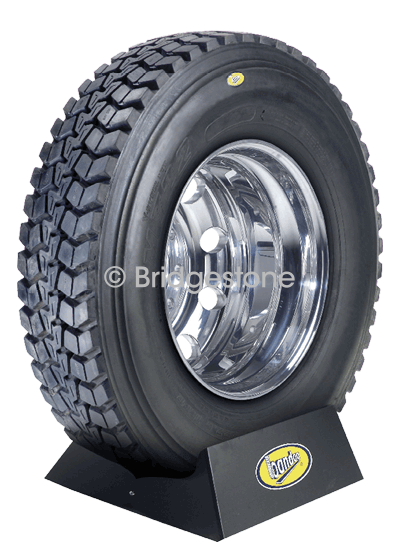
Bandag BDY
BDY is a directional drive tread designed for vehicles operating in harsh on/off road conditions such as logging, construction, quarrying and waste haul applications.
More...
Bandag Brawny Rib
Brawny Rib delivers excellent mileage and outstanding performance in light truck.
More...
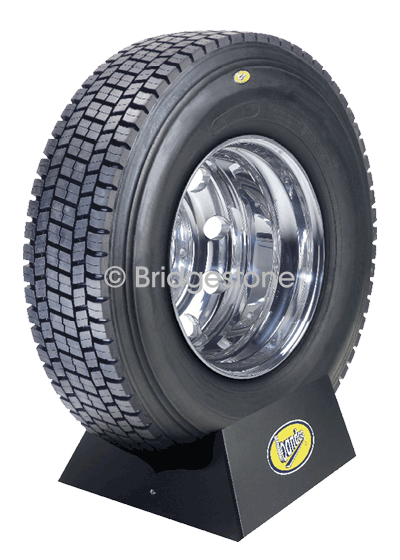
Bandag B729
The B729 is a drive tread pattern for on highway service. The B729 delivers long tread life and superior wet performance for on highway drive applications.
More...
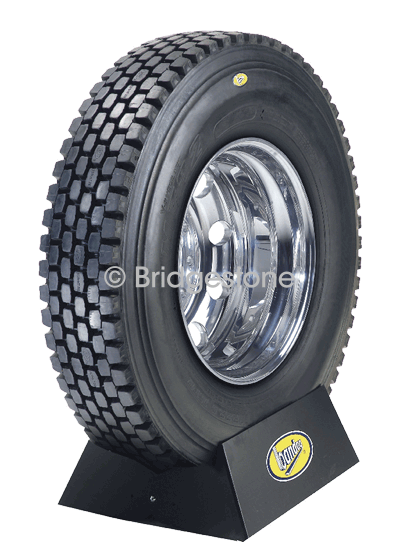
Bandag BDR-HT
Count on our new, uniquely designed BDR-HT to offer performance advantages over its competition.
More...
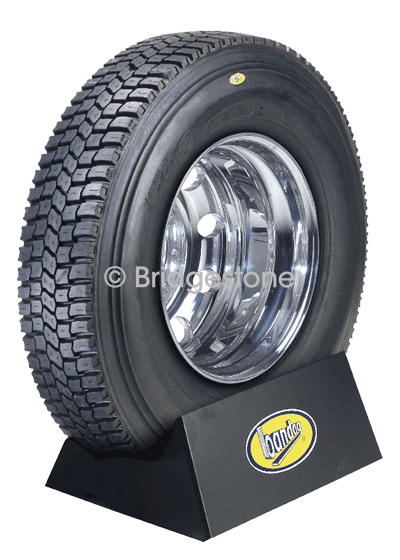
Bandag BDLT
BDLT fearlessly delivers relentless traction, responsive handling and proven reliability.
More...
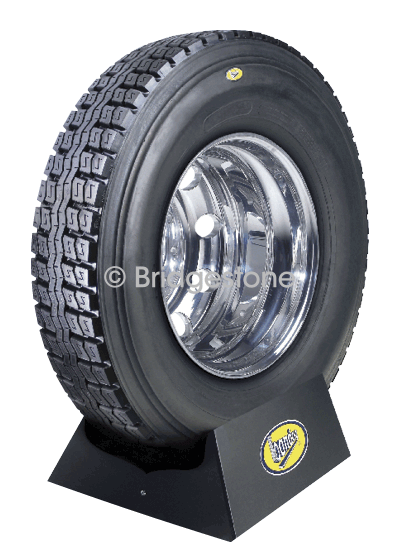
Bandag D4310
A deep all-weather drive axle tread. Delivers excellent mileage while meeting the traction requirements of normal linehaul applications.
More...
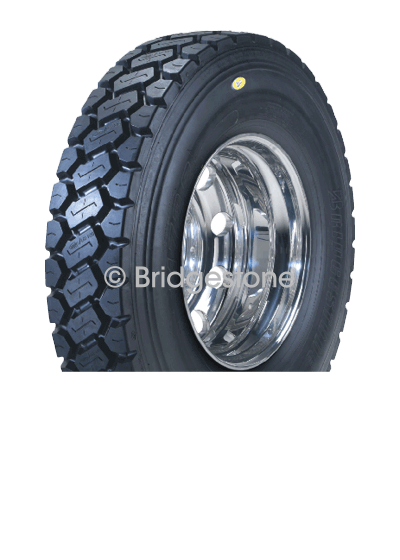
Bandag Lug Trac
Lug Trac (LGT) is a deep and aggressive drive axle tread design that is suitable for short hauls and heavy loads.
More...
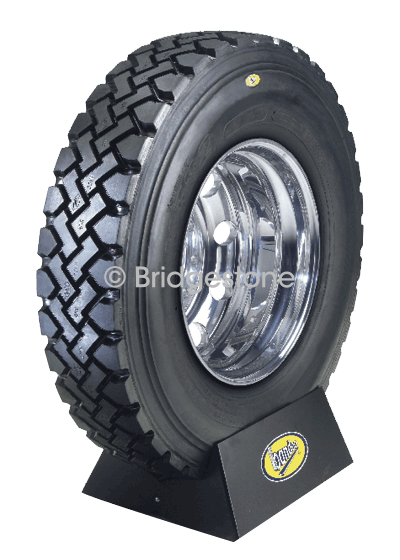
Bandag Highway Traction
Highway Traction (HWT) is a deep sculpted traction design offering excellent mileage and penetration resistance in both on and off-the-road drive axle applications.
More...
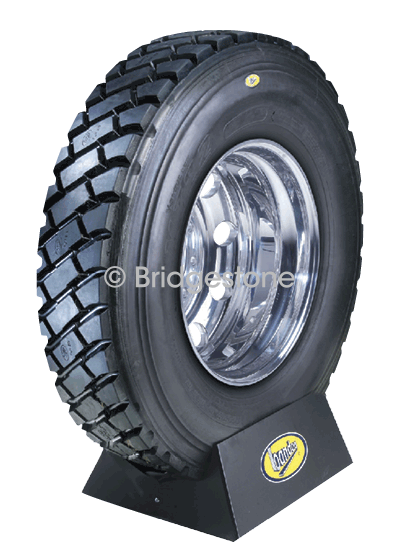
Bandag Rock Lug Modified
An aggressive drive tread pattern that is designed for severe short haul and off-the-road applications.
More...
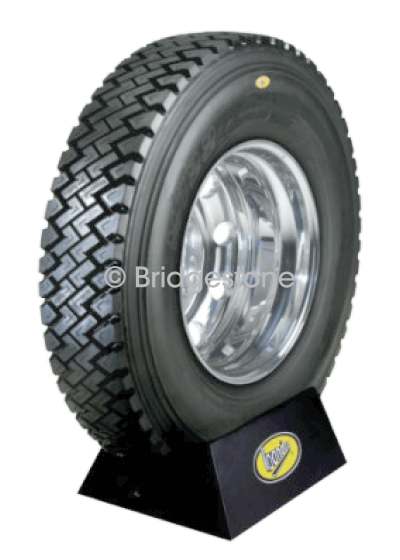
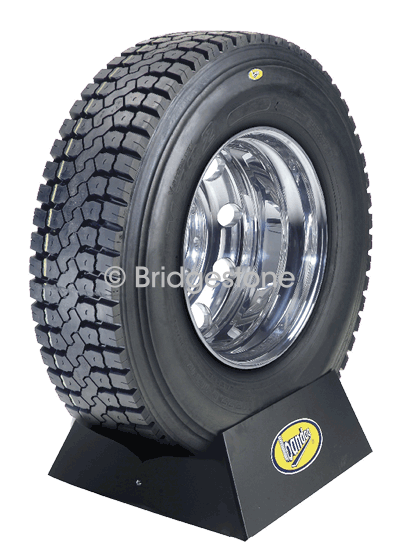
Bandag BPSD
The BPSD combines the traction needed on unsealed roads with the performance capabilities needed for highway conditions.
More...
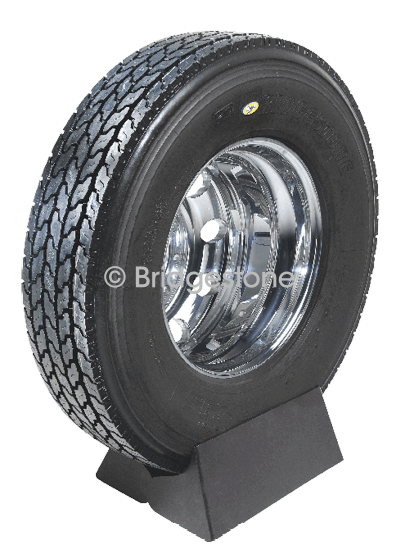
Bandag BDL3
BDL3 is a drive pattern and compound designed to reduce rolling resistance and the associated running costs.
More...
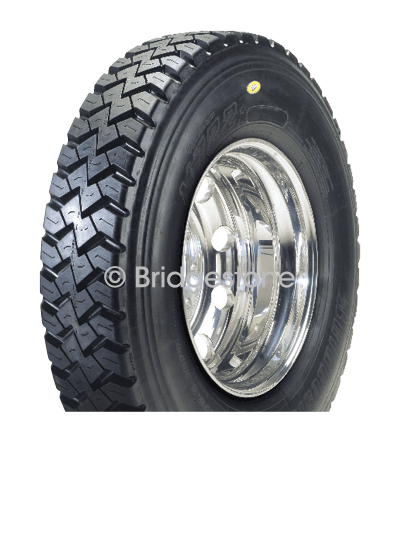
Bandag WH-LUG
WH-Lug is designed for slow speed short haul applications requiring maximum traction and is not recommended for high speed linehaul applications.
More...
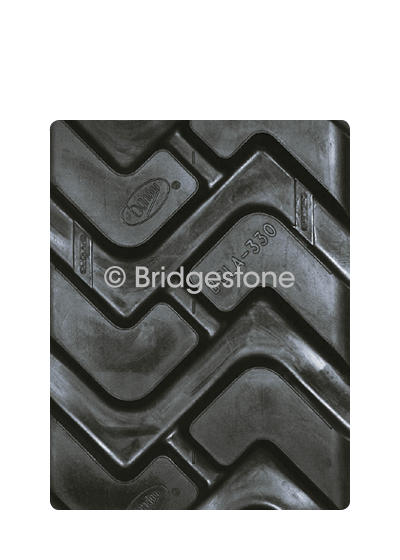
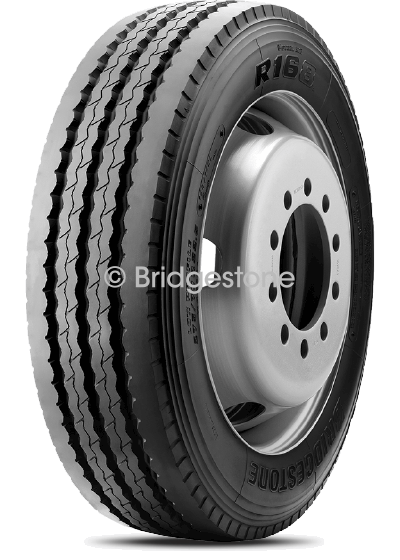
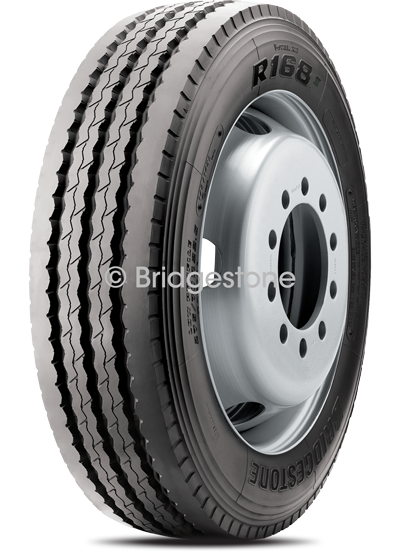
Bridgestone R168
Engineered for better wear and safer tracking, the R168 is the trailer tyre for long distance operations.
More...
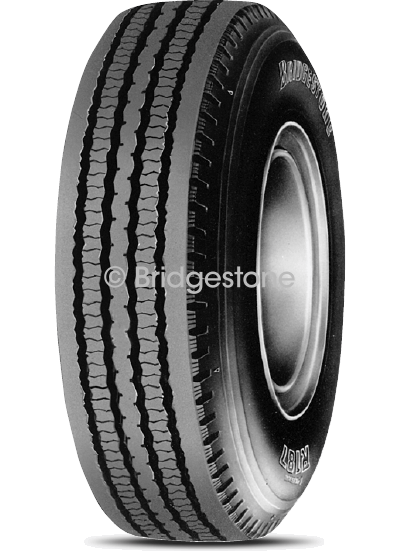
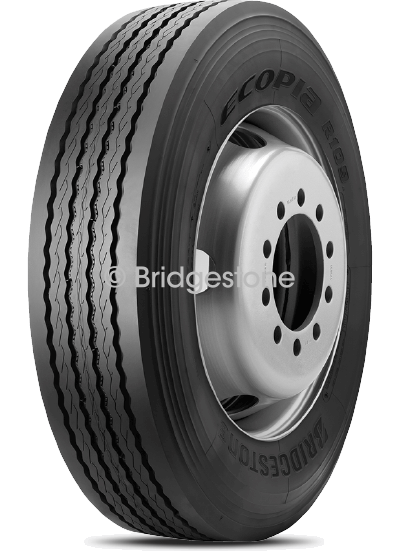
Bridgestone Ecopia R109
Fuel saving trailer tyre that doesn''t compromise on durability, irregular wear resistance or performance in the wet.
More...
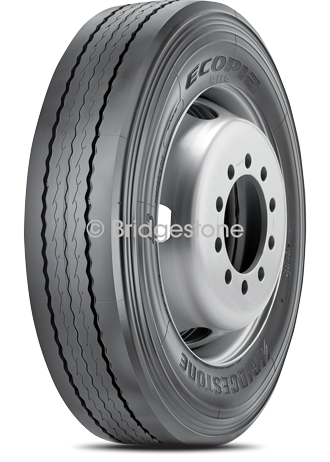
Bridgestone Ecopia R119
Fuel saving trailer tyre for use in line haul and regional haul routes
More...
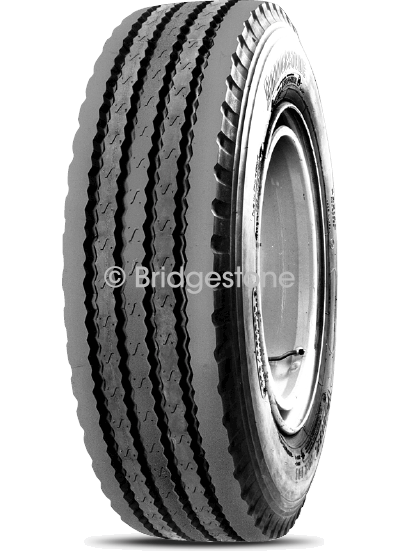
Bridgestone R184
Trailer tyre for highway and city services, with long original tread life and good retreadability.
More...
Bridgestone Regional Trailer 001
Trailer tyre with improved wet traction and lower rolling resistance compared to R168, available in 17.5" sizes.
More...
Bridgestone R210
Fit your truck with the ideal tyre for a wide range metro or regional operations.
More...
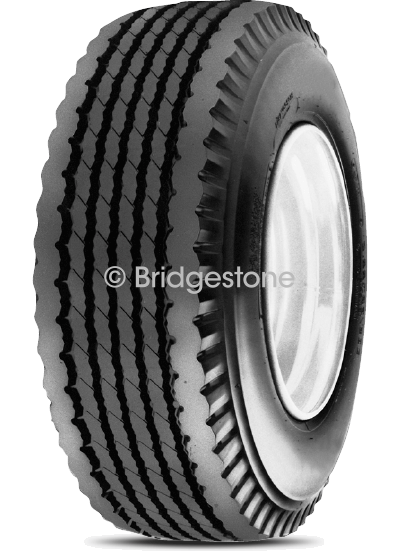
Firestone FS567
Trailer tyre for mild to medium on/off operations with good performance for on road sections.
More...
Firestone TSP3000
Low profile trailer tyre with good wear life and irregular wear resistance.
More...
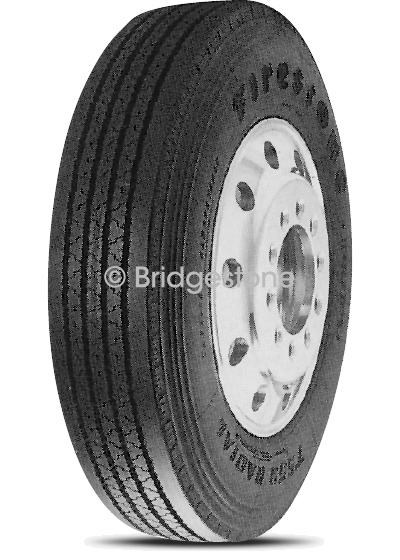
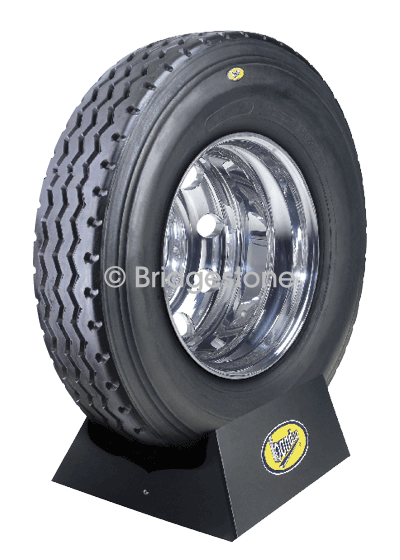
Bandag Rib Trac Elite
Rib Trac Elite (RTE) is designed for tyres in applications that require a little more protection.
More...
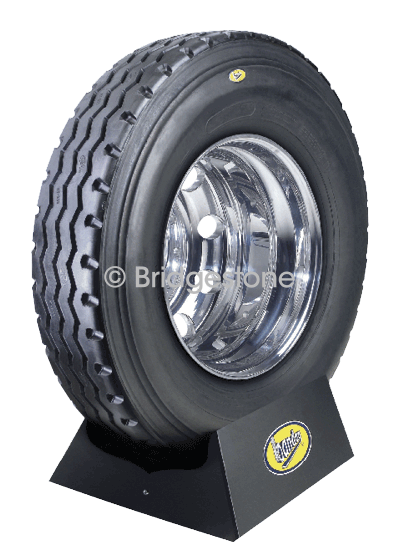
Bandag Rib Trac
An outstanding 4-Rib all-wheel-position tread with deep skid depth. Delivers superior mileage in heavy duty on and off-the-road applications.
More...
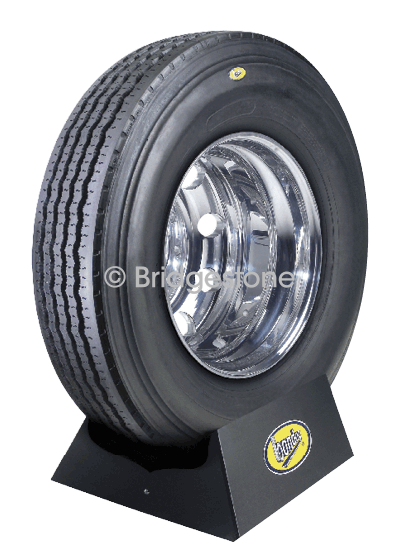
Bandag R4200
A 5-Rib Tread with ample tread depth. Delivers exceptional mileage in drive wheel applications that don’t require above normal traction demands.
More...
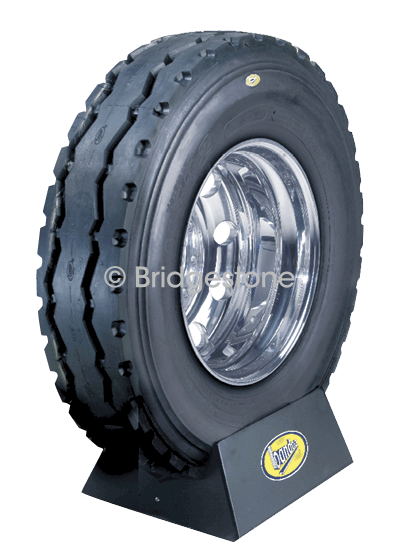
Bandag Rib Logger
A deep and durable pattern that is suitable for Drive and Trailer applications. Rib Logger is ideally suited to the harshest of road conditions.
More...
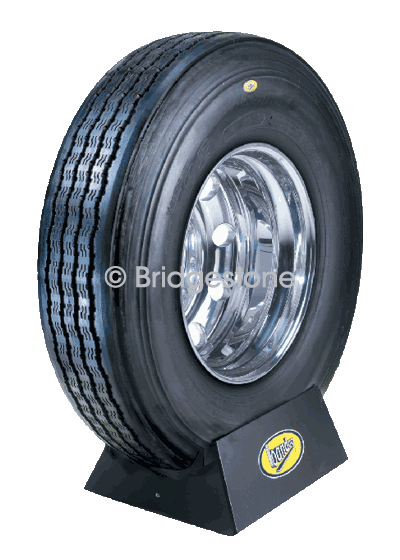
Bandag T4100
A dedicated trailer tread pattern that is designed to deliver outstanding mileage. This lightweight tread runs cool and extends casing life.
More...
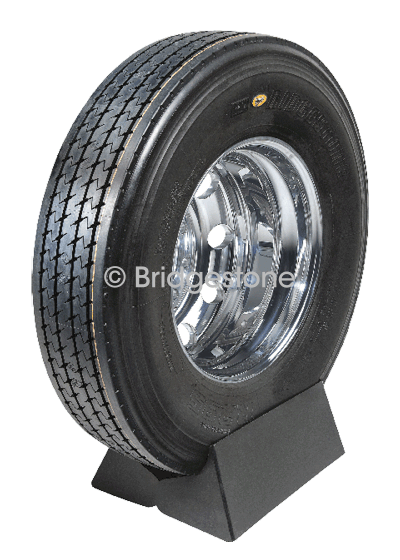
Bandag BRL3
BRL3 delivers Bandag’s best in class tread life and performance on highway use, for either trailer or drive applications not requiring above normal traction demands.
More...
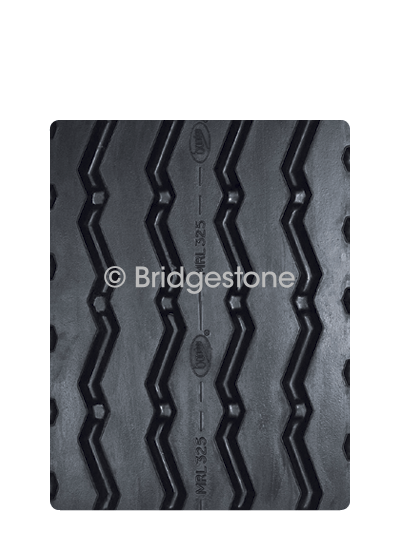
Bandag Modified Rib Logger
Suitable for Super Single and off-the-road applications, performs well under the most extreme conditions.
More...
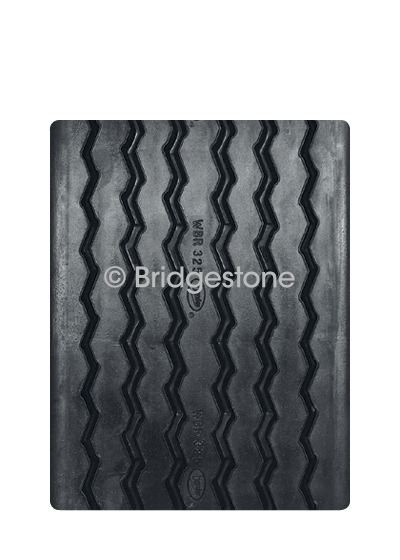
Bandag Wide Base Rib
This rib design tread is ideal for wide base services where outstanding mileage is an important criterion.
More...
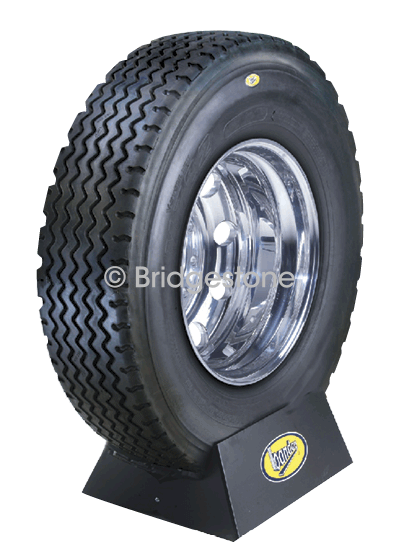
Bandag Wide Single
This rib design is ideal for wide base service where outstanding mileage is an important criterion.
More...
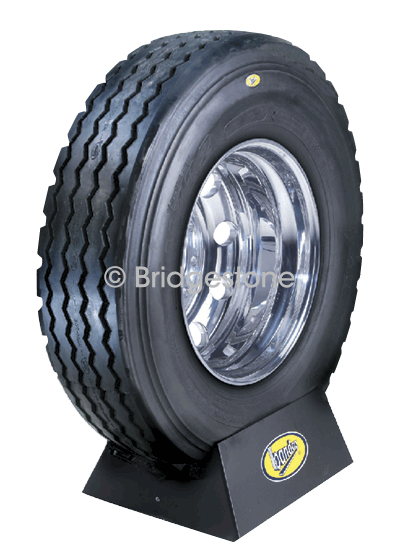
Bandag Wide Single Modified
This advanced wing design gives extra protection so that casing life can be increased.
More...
Bandag B857
The B857 is an all position tread for on/off highway use offering excellent mileage performance in Wide Base applications.
More...
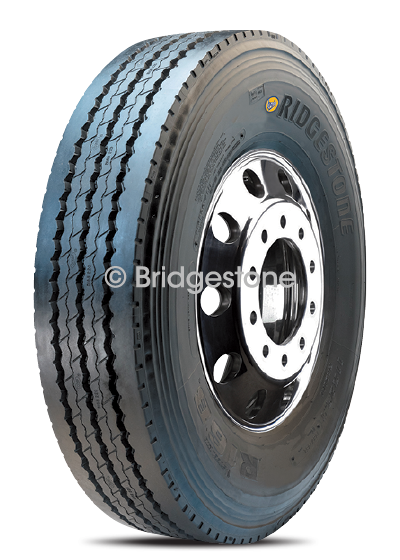
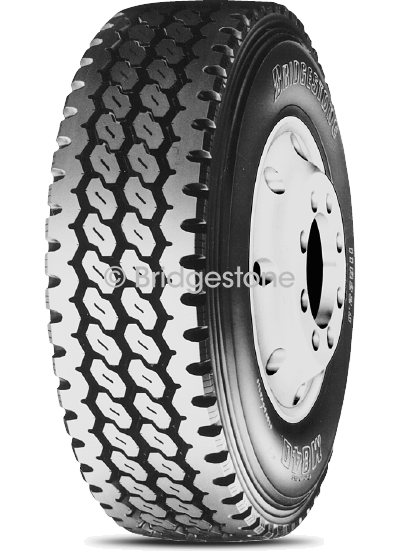
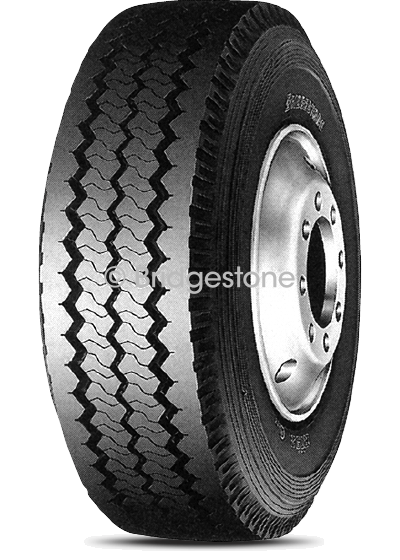
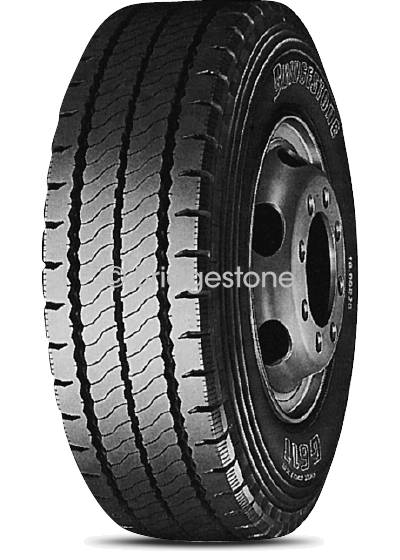
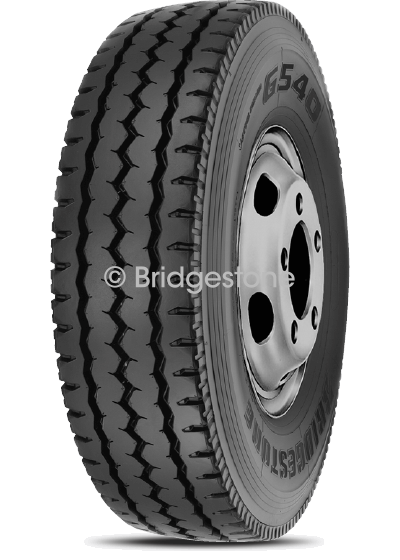
Bridgestone M748
A wide base on/off road TCOT tyre designed primarily for the trailer axle, the M748 is ideal for short distance city driving and partially paved road conditions.
More...
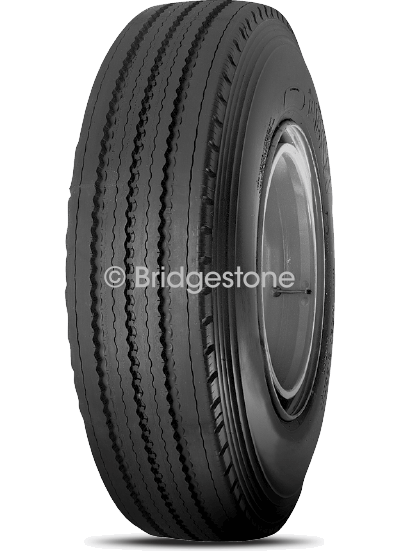
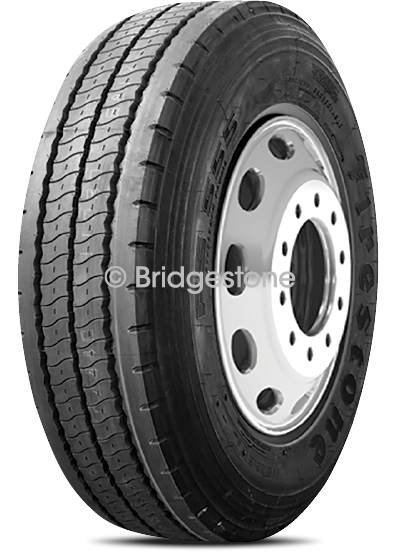
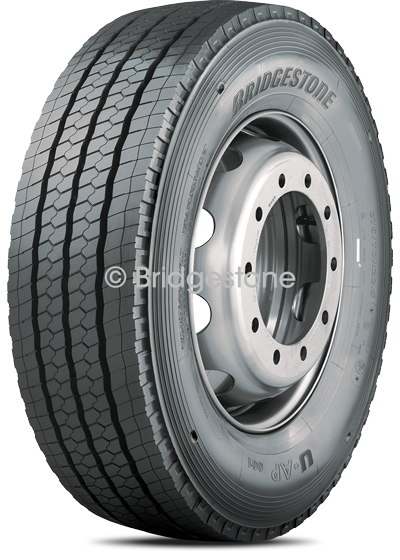
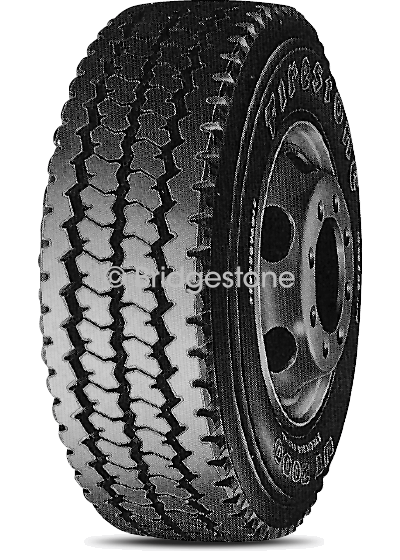
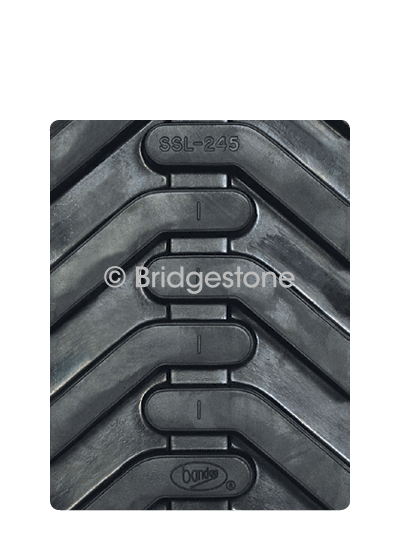
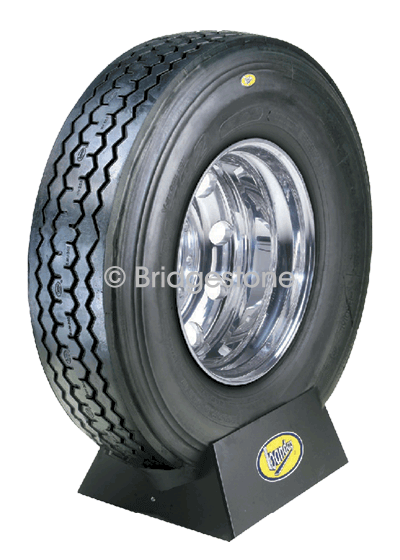
Bandag Highway
A truly universal all-wheel-position rib tread with a history of proven performance.
More...
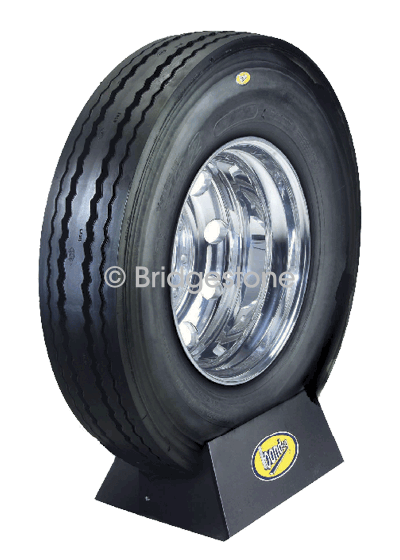
Bandag Bitumen Special
A 5-Rib design that provides excellent mileage and an outstanding penetration resistance. Performs brilliantly in waste haulage and bus applications.
More...
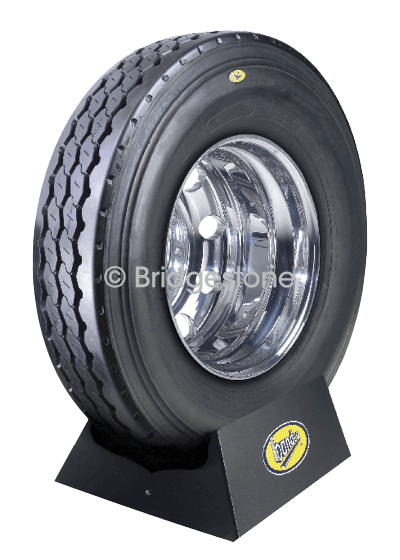
Bandag BRM
This unique, deep tread design is ideally suited to frequently stopping vehicles such as route buses and waste removal trucks.
More...
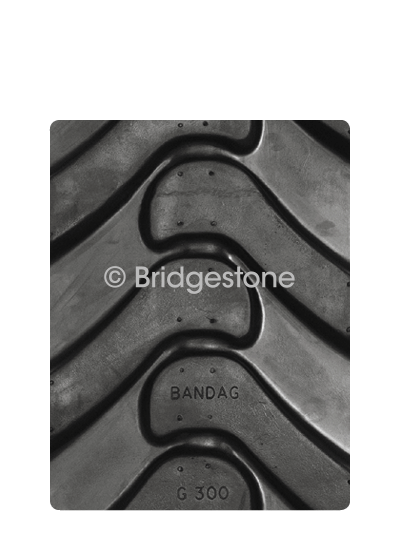
Bandag Grader
A proven high performing tread designed for Skid Steer Loaders. An extremely aggressive design for on and off-the-road applications.
More...
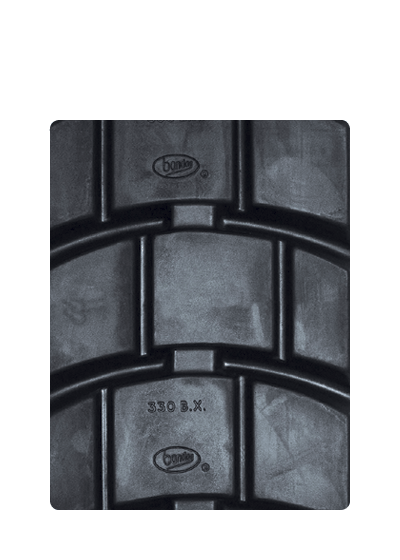
Bandag BX Modified
A deep, dynamic, hard-pulling tread designed for drive axles in short haul and severe off-the-road applications, exceptional mileage and penetration resistance
More...

Bandag Slick
Solid rubber, with no tread design. Slick treads have far greater resistance to cutting, chipping and abrasive wear than lug treads.
More...
*Mandatory
Book Now
Fleet Manager Request
Aspect Ratio
Section Height
--------------------- x 100 %
Section Width
Overall Diameter (OD)
The measurement of the distance of an unladen tyre from tread surface to tread surface on opposite sides of the tyre.
Overall Width (OW)
Measurement of the cross section of an unladen tyre, including ribs and protrusions. Usually the same as section width on radial tyres.
Section Width
Measurement of the cross section of an unladen tyre across the casing only – not including ribs or protrusions.
Tread Width
Distance across the tread face of an unladen tyre.
Tread Depth
Distance from tread surface to major groove base at a designated measuring point.
Section Height
Distance from the bead seat to the tread surface of an unladen tyre.
Rim Width (RW)
Distance between the rim flanges.
Nominal Rim Diameter
Diameter of the rim from bead seat to bead seat in inches.
Static Loaded Radius
Distance from the centre of the axle to the ground of a loaded tyre under maximum dual load and inflation pressure.
Loaded Width
The maximum section width of a loaded tyre under maximum dual load and inflation pressure.
Minimum Dual Spacing
The minimum allowable distance between the wheel centre lines in a dual arrangement.
Revolutions Per Kilometre (RPK)
The number of tyre revolutions in one kilometre, measured at: 100km/h, maximum dual load and inflation pressure.
NOTE: All dimensions measured following a 24-hour inflation period.

Dual tyre assemblies are commonly used on drive and trailer axles, however, they do
require attention if tyre life is to be maximised.
Diameter Variations
Dual assemblies with significantly different diameters will return less than optimum wear results because:
- The tyre with the larger diameter will carry more of the load, causing rapid wear.
- The tyre with the smaller diameter will be subjected to very high levels of slip, creating rapid and irregular wear.
Pressure Differentials
When tyres in a dual assembly are inflated to different pressures they will return less than optimum wear results because:
- The tyre with the higher inflation pressure will have a higher contact pressure with the road, carrying more of the load causing rapid wear.
- The tyre with the lower inflation pressure will have a lower contact pressure with the road resulting in rapid and irregular wear.
Recommendations
Bridgestone recommends that the same brand, pattern, size, load index and speed symbol be used when matching duals. The following upper matching limits for dual tyres should also be observed:
| Tyre width | Less than 9.00" | More than 9.00" |
|---|---|---|
| Overall diameter difference | 6mm | 8mm |
| Tread depth difference | 3mm | 4mm |
| Inflation pressure difference | 5% | |
A vehicle’s wheel alignment can have a dramatic effect on how evenly and quickly the tyres wear. The following diagrams illustrate the key alignment parameters.
Steel Axle Toe (mm/m)

Rear Drive Axle Square (mm/m)

Steel Axle Camber

Positive Caster Angle

Typical Alignment Settings*
| Parameter | Typical Range | Explanation |
|---|---|---|
| Steer axle toe (total) | 0mm/m to +1.5 mm/m | Toe out can cause instability, so is unacceptable. Must be measured to thrust centreline. |
| Steer axle camber | L 0° to -0.6° R +0.6° to +1.5° | Slight RH positive camber can help to overcome road camber effect. It must be on the RH side because the LH side carries higher load and operates on greater road camber. It will suffer inner shoulder wear if negative camber is excessive. |
| Steer axle caster | L +3° to +4.5° R 0.5° to 0.75° less than left | Slightly more caster on the left induces a slight RH turn, helping to overcome road camber effect. |
| Front drive axle square | Square to vehicle centreline ± 2 mm/m | Out-of-parallel produces a turning moment which must be countered by the steer axle. |
| Rear drive axle square | 0 mm/m to 4mm/m left | In some conditions, slight drive thrust to the left induces a turning moment to the right, overcoming road camber. |
| Trailer axles | All square and parallel to pin centreline ± 2 mm/m | Trailer axles perform best when tracking parallel to the centreline of the road. |
Load and Inflation Pressure
It is the air in the tyre that carries the load. Lowering the inflation pressure is equivalent to increasing the load on the tyre.
It should be noted that the maximum cold inflation pressure allowed in Australia is 825kPa (120psi), which has been accounted for.
Recommended Pressure
The correct inflation pressure will depend on: tyre size, service description, actual load, actual speed, fitment (tyres in dual configuration are able to carry less load per tyre because of unequal loading conditions) and operating conditions. Incorrect inflation pressure can result in irregular wear, reduced wear life, damage or even tyre failure.
Inflation pressures should be checked on cold tyres at least every month using a reliable pressure gauge. Always use a sealing type valve cap as the valve core seal is only secondary and must not be relied upon.
Why Rotate
Tyre rotation is a practical means of reducing operating costs by helping to overcome irregular wear patterns and minimising the effects of different wear rates. Rotation can ensure that a tyre’s tread is fully utilised—reducing the cost per kilometre.
Avoid Steer Tyre Vibration
In some cases the driver’s side steer tyre on a prime mover can wear one half of the circumference of the tyre more than the other half (mini-max wear). This creates a light point, which unbalances the tyre and causes a vibration. By rotating steer tyres regularly, this effect is minimised and steer tyre vibration is usually prevented.
Method
Tyres should be rotated to the positions shown in the diagrams. Note that dual pairs should be rotated in the same pairing, ie. outside tyre remains on the outside, but in the new position.
Typical Frequency:
Steer Tyres: 25,000km
Drive Tyres: 50,000km
Otherwise, rotate as often as required to minimise irregular wear or vibration.
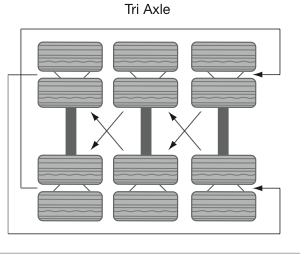
Single axles with dual tyres should be rotated as shown
If the application allows, steer tyres can be rotated onto the drive and trailer axles and drive tyres can be rotated onto the trailer axle.
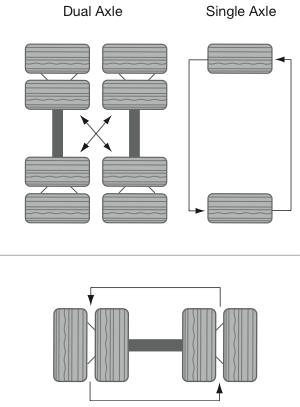
The table below outlines some common types of irregular wear and some typical causes.
| Appearance | Causes | |
|---|---|---|
 | Shoulder Edge Wear Even wear in centre but shoulder wearing rapidly. Note: Often results in little or no loss of removal mileage | Incorrect toe; Drive axle misalignment; Worn suspension; Incorrect camber |
 | River Wear Circumferential wear along rib edges. Common on free rolling axles. Note: Often a sign of a tyre achieving good mileage | Light loading; Excessive turning; Worn suspension; Assembly lateral runout |
 | Heel/Toe Wear Each block worn high to low from front to back. | Mismatched duals; Incorrect inflation pressure; High traction operating conditions; Lack of rotation |
 | Feather Wear One side of each rib is worn. Note: Often seen on both steer tyres | Excessive toe; Drive axle misalignment; Bent tie rod or chassis; Worn suspension |
 | Diagonal Wear Localised flat spots worn diagonally across the tread. | Mismatched duals; Underinflation; Radial runout; Excessive imbalance; Misalignment; Other wear condition; Loose wheel bearings |
Storage
Tyres being stored should be kept away from direct sunlight, heat sources, ozone creating generators, motors and welders, moisture, dirt, oils and chemicals in order to prevent the tyre from degrading.
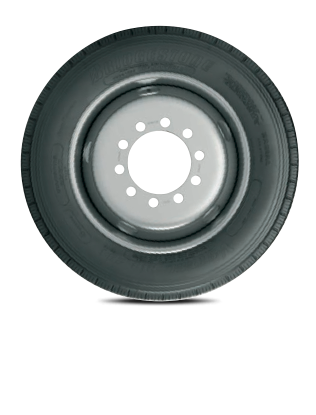
Mounting The Tyre-Wheel Assembly
Wheel nuts should be done up in the sequence recommended by the vehicle manufacturer. Furthermore, wheel nuts must be checked within 50km of fitment. Torque levels and sequences are recommended by the vehicle manufacturer. Always use a torque bar to tighten wheel nuts.
Damage
Ignoring tyre damage is dangerous. Damaged tyres must be assessed and where possible repaired by a qualified Bridgestone technician as soon as possible in order to avoid further deterioration of the tyre structure.
Warranty
Any new tyre or tube manufactured by Bridgestone is guaranteed to be free of material and manufacturing defects. Should any such tyre or tube develop a material or manufacturing defect within 5 years of manufacture, Bridgestone will make a pro-rata allowance towards the purchase of a new tube or tyre.

Australia’s most trusted tyre
Bridgestone has been named ‘Australia’s Most Trusted Tyre Brand’ by an independent annual survey – making it seven years and counting.

Bridgestone franchise opportunities
Exciting opportunities now exist Australia-wide to join the Bridgestone network – the leaders in tyre retailing. More

Environmental responsibility
Bridgestone Australia is committed to sustainability by minimising the environmental impact of our products and responsible tyre recycling. More

More than just tyres
We go out of our way to make sure your car performs at its best. Find your nearest Auto Service outlet. More
Call for your nearest Bridgestone store, or connect direct by calling 131 229
© 2026 Bridgestone Australia Ltd. All rights reserved.